
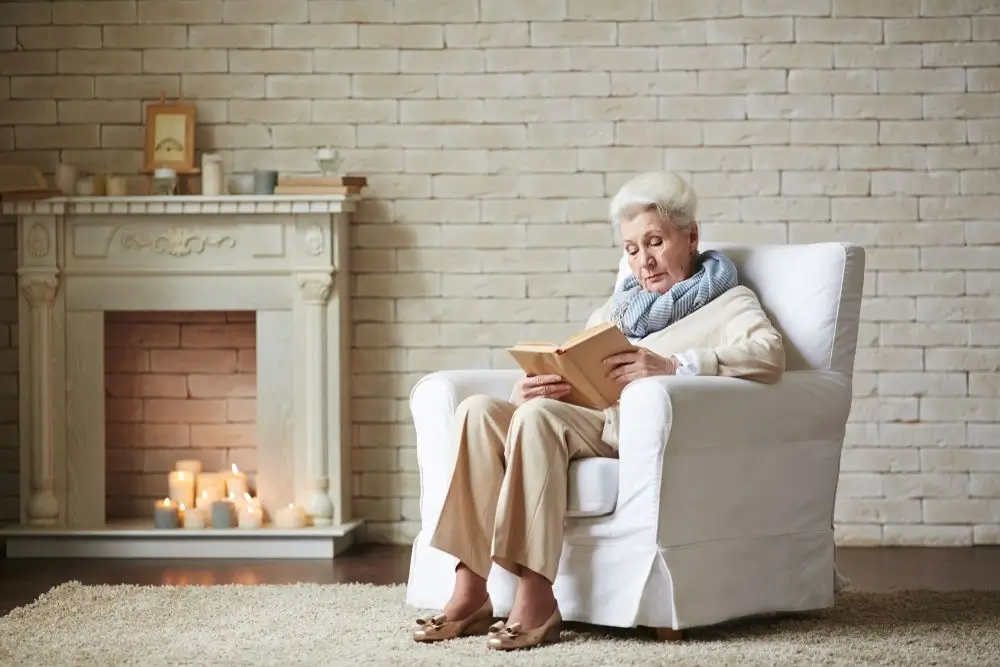
The transition to senior living can be an emotionally complex time for both residents and their families. Leaving a long-time home, adjusting to a new environment, and entrusting care to others can cause anxiety and uncertainty. That’s why creating a home-like environment isn’t just a thoughtful gesture; it’s a foundational element of compassionate, successful senior care.
A warm, familiar setting helps ease the adjustment and provides residents with emotional security. When seniors feel safe and supported in their surroundings, their confidence grows and they’re more likely to engage in daily activities and social interactions.
What Makes a Space Feel Like Home?
The details that make a house feel like home are deeply personal. In senior living, that means more than simply offering a bed and a chair. It’s about designing an environment that honors each resident’s identity and preferences.
Key elements that contribute to a home-like feeling include:
- Allowing residents to decorate with personal furnishings, family photos, and keepsakes
- Using warm color schemes and cozy décor to create comfort
- Ensuring private rooms offer both independence and peace
These design choices foster a sense of familiarity and belonging that helps residents truly settle in, reducing the emotional impact of the transition.
Why Home-Like Settings Matter for Emotional Wellbeing

A space that feels like home reduces feelings of displacement, anxiety, and loneliness. Seniors are more likely to feel emotionally grounded when surrounded by familiar comforts, especially during times of change. A nurturing environment also fosters:
- Increased socialization
- Better mood stability
- A greater sense of security and dignity
When seniors feel at ease, they are more open to engaging with others, joining community events, and finding new purpose in their daily lives.
The Impact on Physical Health and Daily Routine
Beyond emotional support, home-like environments promote physical wellness too. Comfortable, familiar spaces encourage residents to follow healthier routines.
Residents in these environments often experience:
- Improved sleep patterns
- Greater participation in wellness activities
- Increased appetite and better nutritional habits
Well-designed layouts and consistent daily schedules make it easier for residents to navigate independently, reinforcing a sense of control while promoting safety and mobility.
Personalization as a Pillar of Care
Personalization is not a luxury; it’s a necessity. Individualized spaces and routines help residents preserve their identity and continue long-cherished traditions. Whether it’s enjoying a specific morning routine, keeping religious or cultural customs, or simply having their favorite chair in the corner of their room, these small details have a significant emotional impact.
Creating opportunities for residents to make choices, express preferences, and engage in familiar rituals contributes directly to their mental and emotional well-being. Personalization communicates respect and reinforces that they are not just residents, but valued individuals.
Staff Approach and Relationship-Building
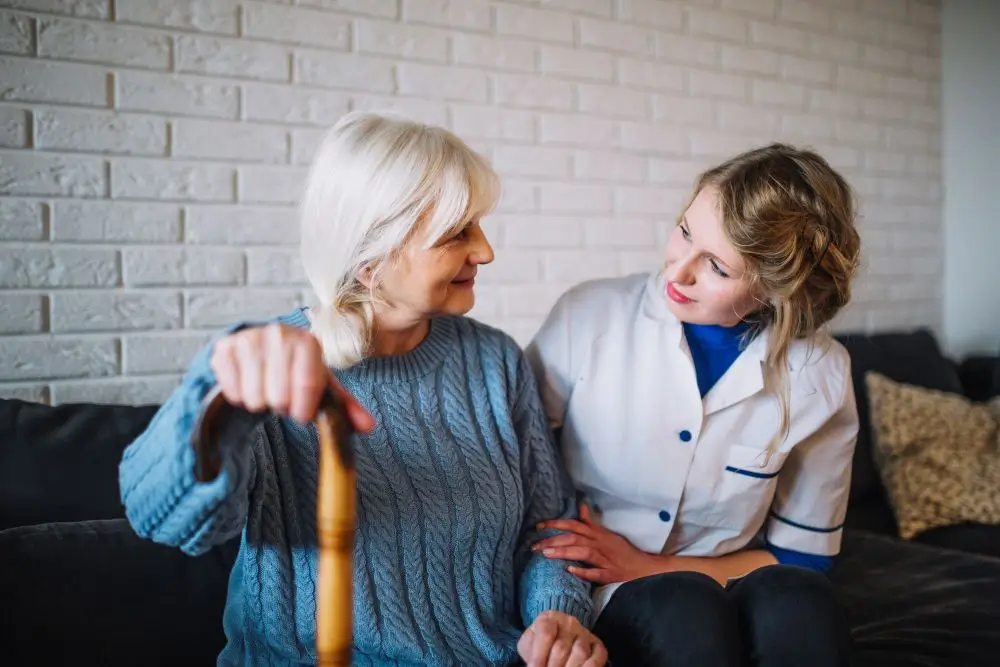
The caregivers who interact with residents daily are fundamental to creating a home-like atmosphere. Their consistency, compassion, and attentiveness foster trust and comfort.
Strong caregiver-resident relationships are built by:
- Using residents’ names and remembering their stories
- Responding to personal preferences and emotional cues
- Maintaining a gentle, reassuring communication style
This personalized care approach reinforces feelings of safety and helps residents feel known and valued.
Shared Spaces that Invite Connection
Home-like environments are not only about personal spaces; they also involve shared community areas designed for interaction and comfort.
Thoughtfully created communal spaces include:
- Family-style dining rooms that feel welcoming and inclusive
- Lounges with comfortable seating and décor
- Activity rooms that support group hobbies and games
These areas provide residents with natural opportunities to socialize, form friendships, and maintain an active, fulfilling social life.
Creating Continuity with Daily Experiences

Daily experiences, from meals to morning routines, shape how at-home a person feels. Routine builds familiarity, and familiarity builds comfort.
For example:
- Having meals at consistent times each day
- Offering favorite dishes or regional recipes
- Celebrating birthdays and holidays with personalized touches
These elements cultivate continuity and joy, making residents feel truly at home every day.
How Home Inspired Senior Living Brings This to Life
At Home Inspired Senior Living, the mission to create a home-like environment is woven into every aspect of our care. Our Kenosha-based community is designed to feel warm, personal, and peaceful, from private suites and chef-prepared meals to on-site amenities like a salon and fitness programming.
Key offerings include:
- 24/7 on-call nursing and all-inclusive support
- Weekly housekeeping and laundry services
- A vibrant calendar of wellness-focused activities
Our approach is rooted in treating every resident like family, offering thoughtful and consistent care that honors their individual needs and lifestyle preferences.
Conclusion
Creating a home-like environment in senior living isn’t just a design decision, it’s a philosophy rooted in empathy, dignity, and respect. When residents feel at home, they thrive in all areas of life: emotionally, socially, and physically.
At Home Inspired Senior Living, we take pride in delivering compassionate care that reflects the comfort, warmth, and familiarity of home. For families and residents alike, that sense of belonging makes all the difference. Because care should always feel personal—and it should always feel like family.
Interested in learning more? Contact us today or schedule a tour to experience the Home Inspired difference.


